Pahalgam Terror Attack: A Devastating Blow to Kashmir's Peace and Security
On April 22, 2025, a horrific terrorist attack unfolded in the picturesque town of Pahalgam, Jammu and Kashmir, turning a peaceful tourist haven into a blood-stained battlefield. The attack, which resulted in the tragic deaths of at least 28 people, marks one of the most devastating assaults in the region in recent years. This article delves into the events surrounding the attack, the response from local and national authorities, and the far-reaching impact it has had on the region’s peace and tourism industry.
The Attack: A Violent Ambush on Civilians
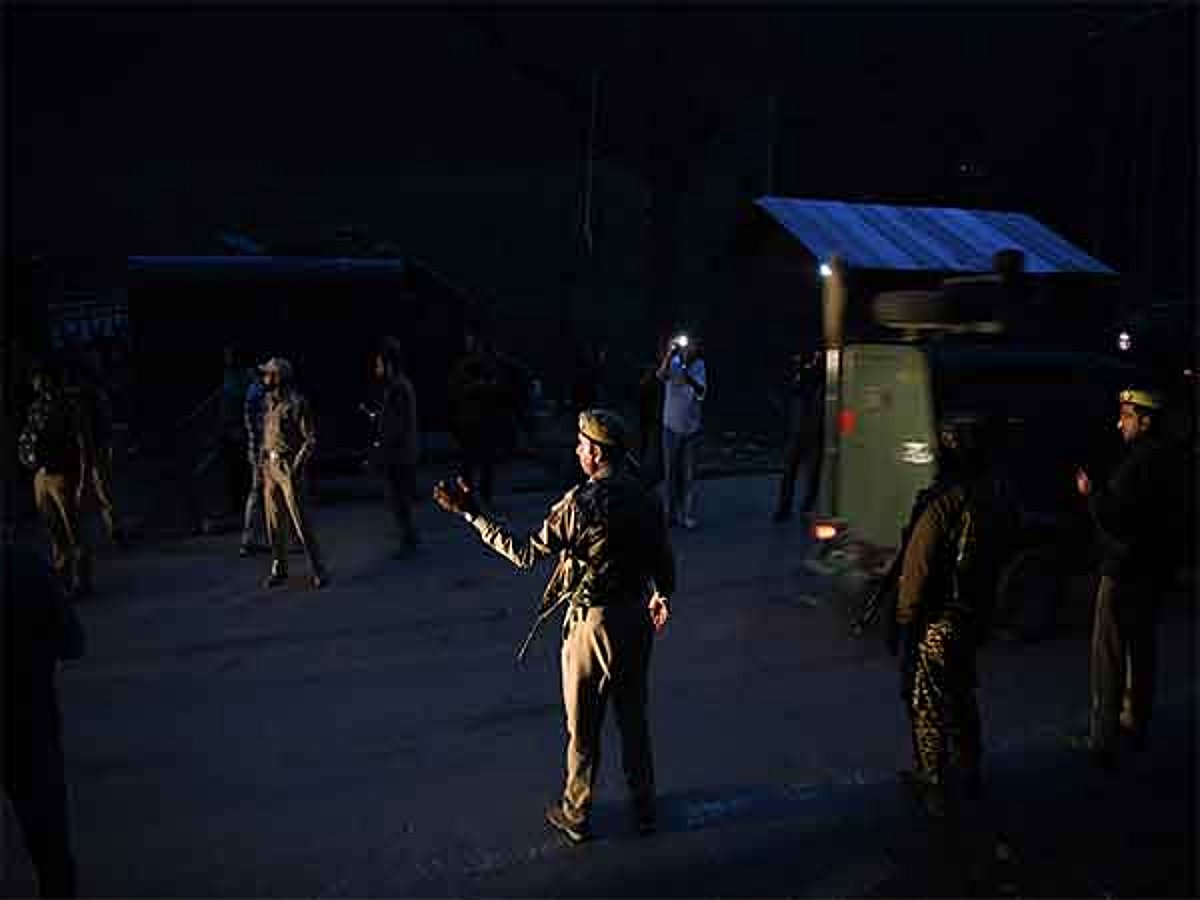
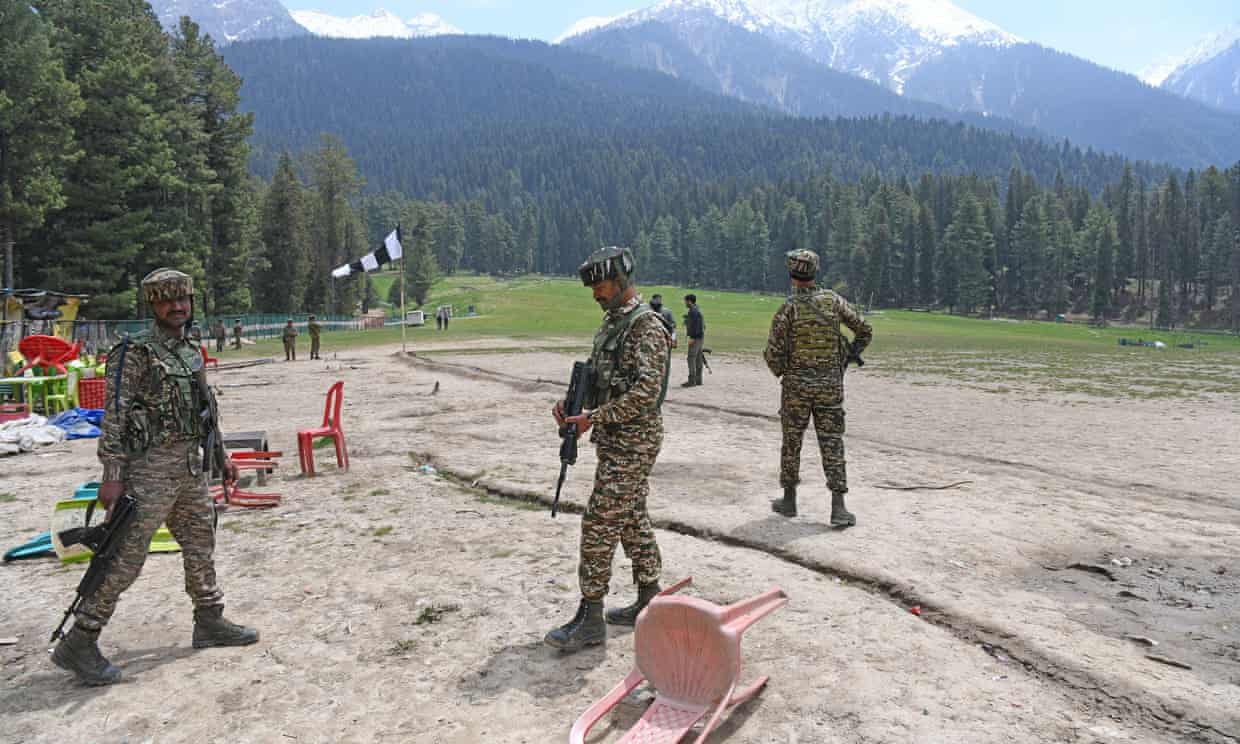
The peaceful town of Pahalgam, often referred to as "Mini Switzerland" for its stunning views and lush landscapes, was rocked by a brutal attack in the early afternoon of April 22. At approximately 2:50 PM, a group of seven heavily armed militants, dressed in military-style fatigues, stormed the popular Baisaran Valley, known for its idyllic surroundings and influx of tourists. The assailants, who were reportedly members of the militant group Lashkar-e-Taiba (LeT), opened fire on unsuspecting civilians, including Indian nationals, local Kashmiris, and a foreign tourist from Nepal.
Eyewitnesses describe scenes of terror, with militants demanding that people recite Islamic verses before executing them. Those who failed to comply were shot at point-blank range. The attackers seemed to target both tourists and locals indiscriminately, with many victims caught in the crossfire while trying to escape the gunmen. Amid the chaos, a local hero, Syed Adil Hussain Shah, attempted to shield others from the gunfire but was tragically killed in the process. His bravery in the face of violence has been hailed as a testament to the resilience and courage of the local population in such turbulent times.
Casualties and Victims
The terrorist assault resulted in the deaths of at least 28 individuals. Among the victims were 25 Indian nationals, two locals from Jammu and Kashmir, and a foreign tourist from Nepal. The deceased included civilians from various parts of India, and the attack took place during the peak of the tourist season, adding to the tragedy.
Among the fallen was a 26-year-old officer from the Indian Navy and an Intelligence Bureau official, highlighting the attack's targeting of both civilians and security personnel. Additionally, over 20 people were injured, many severely. The injured were swiftly transported to medical facilities in Pahalgam and Srinagar, with several requiring urgent airlift to military hospitals due to the gravity of their wounds. (The New Indian Express)

The Perpetrators and Their Motive

The terror group responsible for the attack, The Resistance Front (TRF), is an offshoot of the Pakistan-based Lashkar-e-Taiba (LeT), one of the most notorious militant organizations operating in Kashmir. TRF, known for its violent anti-India stance, claimed responsibility for the attack, asserting that it was carried out to disrupt the growing influence of non-locals in the region. According to security experts, the TRF militants believe that the settlement of outsiders in Kashmir represents a demographic shift that threatens the region’s Muslim-majority identity. (Kalinga TV)
Government Response and Measures
In the wake of the attack, the Indian government acted swiftly to address the crisis and prevent further violence. Prime Minister Narendra Modi, who was on an official visit to Saudi Arabia at the time of the attack, cut his trip short and returned to India to oversee the response. The Indian government condemned the act of terror in the strongest terms and promised that those responsible would be brought to justice.
The Jammu and Kashmir government announced an immediate ex-gratia payment of Rs 10 lakh to the families of the deceased and Rs 2 lakh to those who sustained serious injuries. A large-scale investigation was launched, led by the National Investigation Agency (NIA), which began scouring through evidence and witness reports to track down the attackers. (The Guardian)
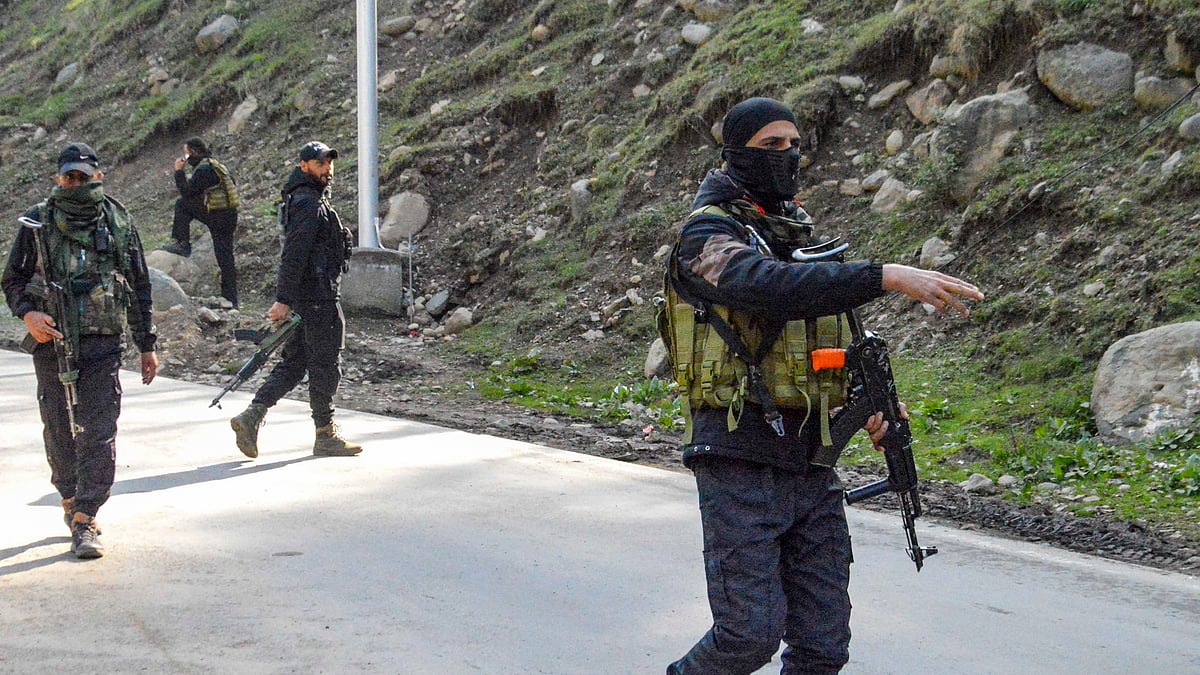
Furthermore, India’s security forces launched a massive manhunt for the assailants, deploying specialized units, including the elite National Security Guard (NSG) and Central Reserve Police Force (CRPF), in an effort to apprehend the perpetrators. In addition to the manhunt, India has imposed a temporary lockdown on parts of Pahalgam to aid in the investigation and maintain order. Security personnel have also been deployed to secure popular tourist spots, particularly in anticipation of the upcoming Amarnath Yatra, which attracts millions of pilgrims each year. (New Indian Express)
Global Condemnation
The Pahalgam attack did not go unnoticed by the international community. Several world leaders, including U.S. President Joe Biden, U.K. Prime Minister Sir Keir Starmer, and German Chancellor Olaf Scholz, expressed their solidarity with India and condemned the violence. The United Nations also issued a statement urging all nations to cooperate in fighting terrorism and called for greater global efforts to address the root causes of radicalization.
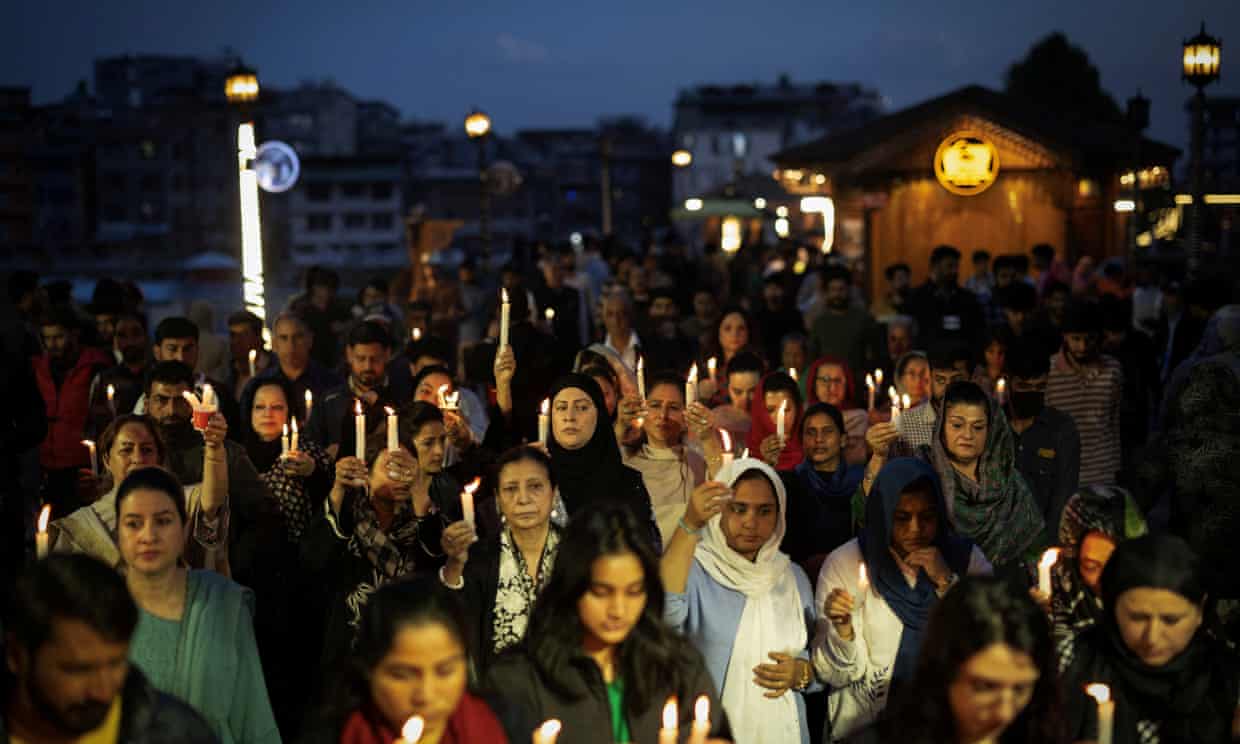
Bollywood celebrities, including actress Priyanka Chopra, took to social media to express their sorrow over the tragic event. Chopra described the attack as a “barbaric and senseless act of violence” and emphasized the need for unity and peace to overcome such extremism. (People)
Impact on Kashmir’s Tourism and Local Sentiment
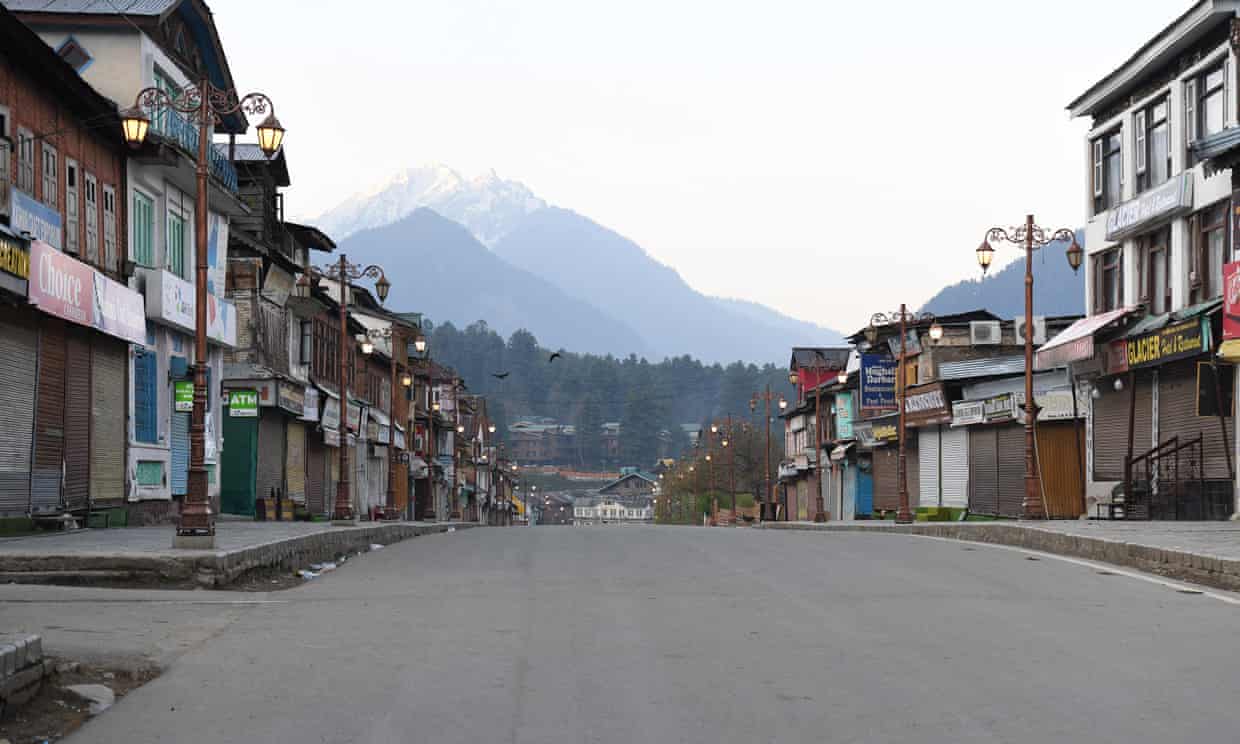
Tourism is a critical industry in Jammu and Kashmir, providing livelihoods to thousands of locals. The Pahalgam attack, which targeted both tourists and residents, has had a chilling effect on the tourism sector. Many tourists have already begun canceling their bookings, fearing further violence, which could have devastating consequences for the region's economy. The attack has also fueled local anxieties, especially among business owners who depend on the influx of visitors during the summer months.
The event has reignited tensions between India and Pakistan, with many experts fearing a renewed escalation in hostilities. Kashmir, long a flashpoint of conflict between the two nations, could become even more volatile as a result of this attack. (The Guardian)


