🕌 The Role of Muslims in India's Growth and Freedom

 🕌 The Role of Muslims in India's Growth and Freedom


Introduction:

India is a diverse nation, home to various religions, cultures, and traditions. Among these, the Muslim community has played a significant role in shaping the country's history, culture, and progress. From contributing to India's rich heritage to actively participating in the freedom struggle, Muslims have been integral to the nation's development.


🧭 Who Are Muslims in India?

Muslims are followers of Islam, a monotheistic religion founded in the 7th century. In India, they constitute the second-largest religious group, making up approximately 14.2% of the population . Their presence in India dates back to the 7th century when Arab traders introduced Islam to the Indian subcontinent .

📍 Where Do Muslims Reside in India?

according to 2011

Muslims are spread across the country, with significant populations in states like Uttar Pradesh, West Bengal, Bihar, Maharashtra, and Kerala. Cities such as Delhi, Hyderabad, Lucknow, and Aligarh are known for their rich Islamic heritage, featuring historic mosques, educational institutions, and cultural landmarks.


🏛️ Contributions of Muslims to India's Heritage

🕌 Architecture:

  • Taj Mahal: Commissioned by Mughal Emperor Shah Jahan in memory of his wife Mumtaz Mahal, the Taj Mahal is a UNESCO World Heritage site and a symbol of India's rich architectural legacy .

🎶 Music and Arts:

  • Urdu Poetry and Music: The development of Urdu literature and music genres like Qawwali and Ghazal have deep roots in Islamic culture, enriching India's artistic landscape.

📚 Education:

  • Aligarh Muslim University (AMU): Founded by Sir Syed Ahmed Khan, AMU has been a pivotal institution in promoting modern education among Muslims in India.

✊ Role of Muslims in India's Freedom Struggle

  • Muslims played a crucial role in India's fight for independence:


    • Maulana Abul Kalam Azad: A senior leader of the Indian National Congress and India's first Minister of Education, he was instrumental in the freedom movement .

    • Dr. Zakir Husain: An educationist and the third President of India, he emphasized the importance of education in nation-building .

    • Khan Abdul Ghaffar Khan: Known as the "Frontier Gandhi," he advocated non-violent resistance against British rule .

    • Ashfaqulla Khan: A revolutionary who participated in the Kakori conspiracy against the British and was executed for his actions .

📈 Muslims in Contemporary India's Growth

Today, Muslims contribute to various sectors:

  • Politics: Active participation in democratic processes and representation in legislative bodies.

  • Economy: Engagement in industries like textiles, handicrafts, and entrepreneurship.

  • Education: Establishment of schools and colleges to promote literacy and higher education.

  • Arts and Sports: Significant presence in Bollywood, music, and sports arenas.

🖼️ Suggested Images for Your Article

To visually enhance your content, consider including the following images:

  1. Muslim Freedom Fighters: A collage showcasing prominent Muslim leaders who contributed to India's independence.

  2. Islamic Architecture: Photographs of the Taj Mahal, Jama Masjid, and other significant monuments.

  3. Cultural Events: Images depicting festivals like Eid and Muharram celebrated across India.

  4. Educational Institutions: Pictures of Aligarh Muslim University and Jamia Millia Islamia.

🔗 References

We Don't Need War – A Punjabi's Voice for Peace

 We Don't Need War – A Punjabi's Voice for Peace
I am a Punjabi. I come from a land that has seen too much blood, too many tears, and too many good people lost to war. From partition to border conflicts, my soil remembers the pain of division. That’s why I say from my heart — we don’t need war. Not now.
Not ever.
We are people of mitti (soil), of khet (fields), of songs and stories, not of tanks and guns. Our culture teaches us “Mittha bol, pyaar naal jeet” — speak sweetly, win with love. So why should we support any fight that brings more hate, more death?
Why We Don’t Need War

Why We Don’t Need War

War doesn’t solve anything. It only breaks families, burns homes, and destroys futures. Soldiers die, but so do children, mothers, farmers — innocent people who had nothing to do with the politics behind the war.

We, the people, are never the winners. Even when the war “ends,” the pain remains — in widows, in orphans, in broken hearts. What pride can we take in that?

How We Can Solve Conflicts

As Punjabis, we believe in sanjhi soch (shared thinking) and bandgi (humanity). Here’s how we can lead by example:


Talk, Don’t Fight
– Sit across the table, not behind a gun. We sort our family fights by talking — nations can do the same.

  1. Educate the Next Generation – Teach children to respect every religion, every language, every human. Not every difference is a reason to fight.

  2. Celebrate Together – Baisakhi, Eid, Diwali, Christmas — we celebrate everything in Punjab. Let that be the model for unity.

  3. Artists and Media Can Lead – Let songs, films, and stories spread messages of peace. If we can make the world dance to Punjabi beats, we can also make it believe in Punjabi peace.


A Message to My Brothers and Sisters

  1. We have already seen what war does. We have nothing to prove by picking up weapons again. Our real strength is in growing wheat, not hate. In giving water, not fire. In standing for peace, not pride.

    Let’s show the world that Punjab is not just brave — Punjab is wise. That our courage is in building, not breaking. Let us be the example of shanti (peace) in a noisy, angry world.

    No more war. Let’s choose peace — like true Punjabis.

Why Punjabis Love Pakistan: A Deeper Look

Why Many Punjabis, Especially Sikhs, Feel Connected to Pakistan More Than Hateful

The prevailing religions of the British Indian Empire based on the Census of India, 1901

India and Pakistan became two separate countries in 1947, after the British left. But before that, for hundreds of years, people from all religions — Hindus, Muslims, and Sikhs — lived together peacefully in a united Punjab. After the partition, the two countries fought wars, had border issues, and serious political differences. That caused a lot of anger and hate across the border.


But in 
Indian Punjab, many people — especially Sikhs
— don’t hate Pakistan as strongly as people in other Indian states might. In fact, many feel emotional ties to the land and people across the border. Why? Let’s look at all the


reasons in more depth: 


1. United Punjab Before Partition (History of One People)

Before 1947, Punjab was a single state. Lahore, now in Pakistan, was the cultural, educational, and political capital of Punjab. People from Amritsar, Jalandhar, Gujranwala, and Multan were not from two countries. They were neighbors.

During British rule, people of all religions studied together, traded goods, and celebrated festivals like Baisakhi, Lohri, and Diwali together. The division was political — not social or emotional. When the country was divided, it wasn’t just land that got split — hearts and families were torn apart too.

2. The Tragedy of Partition in 1947

In August 1947, millions of Sikhs and Hindus had to leave West Punjab (Pakistan) and travel to India. At the same time, Muslims from East Punjab (India) had to move to Pakistan. The migration was violent and painful.

  • Over 1 million people were killed in riots. 

  • Women were raped and kidnapped.

  • Children were separated from families.

  • Trains full of dead bodies crossed the new border.

Yet, even in this horror, many stories of kindness across religions were also remembered. Some Muslims saved Sikh neighbors, and some Sikhs protected Muslim friends.


When borders were drawn, families were torn.

This is a powerful and emotional image from the time of Partition in 1947, showing two men carrying an elderly woman in a cloth sling supported by a bamboo stick, while others travel in the background on a cart. It reflects the pain, hardship, and human cost of one of the largest forced migrations in history.

Not a train to a new home—this was a train of broken dreams.

image is another heartbreaking and historic photograph from the overloaded with men, women, and children, clinging to the sides and roofs—fleeing from one side of the border to another.

This was the largest mass migration in human history, and this train is a symbol of that pain, fear, and desperation.


3. Family Roots and Lost Homes


Many Sikh and Hindu families living in Indian Punjab today have ancestral homes in Pakistan. Their grandparents or great-grandparents once lived in Lahore, Nankana Sahib, Gujrat, Sheikhupura, or Rawalpindi.

Some still remember street names, house details, and the trees outside their old homes. These memories are passed down from generation to generation, creating a feeling of lost homeland.

When someone says, “My grandfather was born in Lahore,” it’s hard to hate that place. It feels like a part of your own history.


4. Common Language, Food, and Music


Both Indian and Pakistani Punjabis speak Punjabi language. While Indians write it in Gurmukhi script, and Pakistanis in Shahmukhi script, the spoken language is mostly the same.

They eat the same food — makki di roti, sarson da saag, lassi, butter chicken. They love similar music, poetry, and Bhangra. Popular artists like:                     

Sidhu Moosewala                   
  • Nusrat Fateh Ali Khan

  • Atif Aslam

  • Abrar-ul-Haq

  • …are loved on both sides of the border. Punjabi culture is a strong emotional bridge that connects hearts beyond politics.


    SIDHU MOOSE WALA


    5. Sikhism’s Deep Roots in Pakistan

    Many key Sikh religious sites are located in Pakistan because Sikhism started in Punjab when it was united. These holy places include:

    • Nankana Sahib – Birthplace of Guru Nanak Dev Ji


    • Kartarpur Sahib – Where Guru Nanak spent his last years

    • Panja Sahib – A place of spiritual importance


    • Dera Sahib (Lahore) – Linked to Guru Arjan Dev Ji


    Visiting these places is a lifelong dream for many Sikhs. Thanks to the Kartarpur Corridor, thousands of Indian Sikhs now visit Pakistan each year.

    And what do they say when they return? Most say they are treated with respect, love, and brotherhood by ordinary Pakistani people. Many are even shocked to receive such warmth. This leaves a deep impression and softens feelings.


    6. Meeting Lost Neighbors and New Friends in Pakistan


    When Indian Sikhs go to Pakistan, many try to visit their grandfather's village or meet people from families who once lived across the border. Sometimes, old Muslims who stayed behind welcome them as if they’re family.

    Stories have emerged of Muslim families preserving Sikh Gurdwaras, photos, or items from pre-Partition days, waiting to return them if ever the families came back. These emotional reunions make Sikhs see Pakistanis as people, not enemies.


    7. Pain of 1984 Genocide Still Hurts

    In 1984, after the assassination of Indira Gandhi, more than 3,000 Sikhs were killed in Delhi and other cities in brutal, targeted violence. Eyewitnesses said political leaders organized the attacks, and police did not protect the Sikhs.

    Many Sikh families say they still haven’t received justice. No proper punishment, no real apology, no closure.

    Because of this, some Sikhs feel hurt by their own country, and some even say:

    “We were safer in Pakistan than in Delhi in 1984.”

    That’s not because they hate India, but because they felt abandoned and betrayed by those in power. When they go to Pakistan and receive love, it makes the contrast more painful and more memorable.

    8. Punjabis Want Peace, Not Hate

    Most Punjabis — Hindu, Muslim, or Sikh — want peace between the two countries. They want trade, travel, music, tourism, and freedom to visit religious sites.

    They don’t forget the past, but they want a better future.

    Many say:

    • “We share the same blood, just divided by politics.”

    • “War has given us nothing but loss.”

    “Let the governments fight — we the people want peace.


    Conclusion: When Borders Cut Through Hearts

    While much of India may see Pakistan only as an enemy or a threat, many Punjabis see it as a part of their past, their culture, and their emotions. They don’t deny the conflicts or the danger, but they also don’t want to live with hate.

    They believe that peace can come not just through politics, but through people-to-people friendship, cultural exchange, and shared pain and healing.


    Pahalgam Terror Attack: A Heartbreaking Assault on Kashmir’s Tranquility


    Pahalgam Terror Attack: A Devastating Blow to Kashmir's Peace and Security

    On April 22, 2025, a horrific terrorist attack unfolded in the picturesque town of Pahalgam, Jammu and Kashmir, turning a peaceful tourist haven into a blood-stained battlefield. The attack, which resulted in the tragic deaths of at least 28 people, marks one of the most devastating assaults in the region in recent years. This article delves into the events surrounding the attack, the response from local and national authorities, and the far-reaching impact it has had on the region’s peace and tourism industry.

    The Attack: A Violent Ambush on Civilians

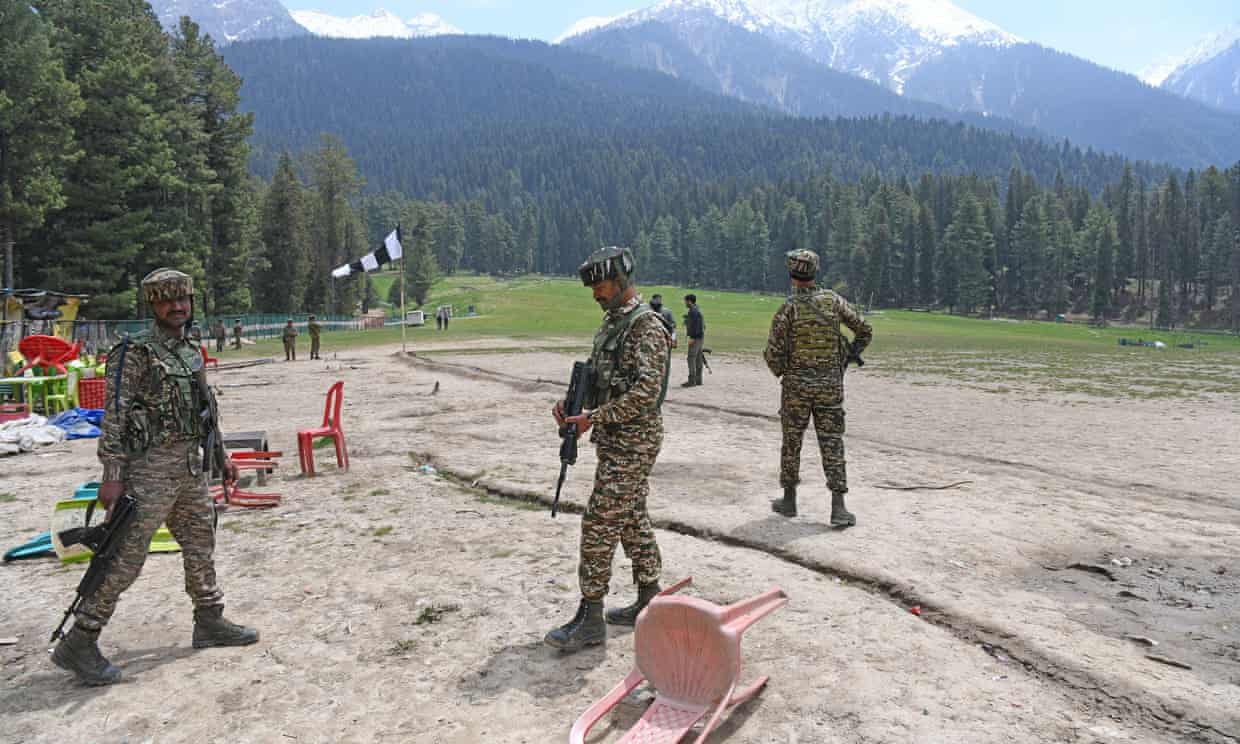
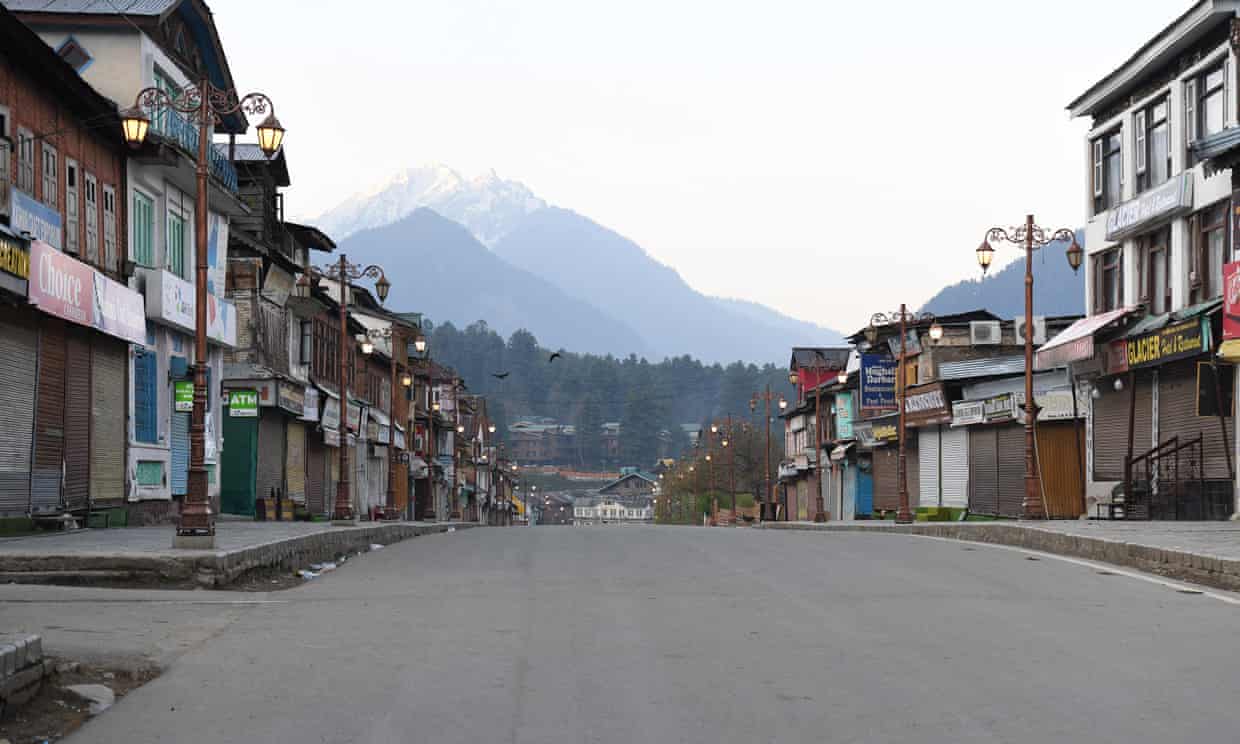
    The peaceful town of Pahalgam, often referred to as "Mini Switzerland" for its stunning views and lush landscapes, was rocked by a brutal attack in the early afternoon of April 22. At approximately 2:50 PM, a group of seven heavily armed militants, dressed in military-style fatigues, stormed the popular Baisaran Valley, known for its idyllic surroundings and influx of tourists. The assailants, who were reportedly members of the militant group Lashkar-e-Taiba (LeT), opened fire on unsuspecting civilians, including Indian nationals, local Kashmiris, and a foreign tourist from Nepal.

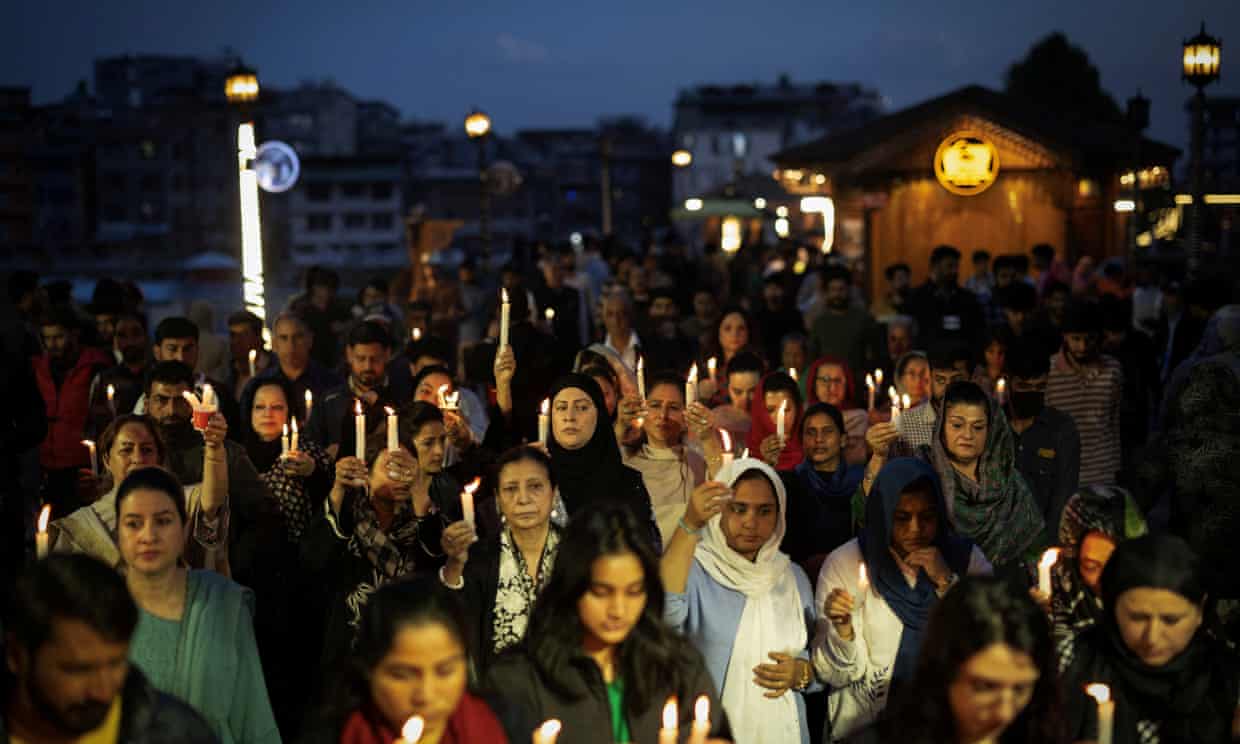
    Eyewitnesses describe scenes of terror, with militants demanding that people recite Islamic verses before executing them. Those who failed to comply were shot at point-blank range. The attackers seemed to target both tourists and locals indiscriminately, with many victims caught in the crossfire while trying to escape the gunmen. Amid the chaos, a local hero, Syed Adil Hussain Shah, attempted to shield others from the gunfire but was tragically killed in the process. His bravery in the face of violence has been hailed as a testament to the resilience and courage of the local population in such turbulent times.

    Casualties and Victims

    The terrorist assault resulted in the deaths of at least 28 individuals. Among the victims were 25 Indian nationals, two locals from Jammu and Kashmir, and a foreign tourist from Nepal. The deceased included civilians from various parts of India, and the attack took place during the peak of the tourist season, adding to the tragedy.

    Among the fallen was a 26-year-old officer from the Indian Navy and an Intelligence Bureau official, highlighting the attack's targeting of both civilians and security personnel. Additionally, over 20 people were injured, many severely. The injured were swiftly transported to medical facilities in Pahalgam and Srinagar, with several requiring urgent airlift to military hospitals due to the gravity of their wounds. (The New Indian Express)


    The Perpetrators and Their Motive


    The terror group responsible for the attack, The Resistance Front (TRF), is an offshoot of the Pakistan-based Lashkar-e-Taiba (LeT), one of the most notorious militant organizations operating in Kashmir. TRF, known for its violent anti-India stance, claimed responsibility for the attack, asserting that it was carried out to disrupt the growing influence of non-locals in the region. According to security experts, the TRF militants believe that the settlement of outsiders in Kashmir represents a demographic shift that threatens the region’s Muslim-majority identity. (Kalinga TV)

    The mastermind behind the attack is identified as Saifullah Kasuri, alias Khalid, a senior commander of Lashkar-e-Taiba, who has reportedly been planning such attacks in the region for months. Intelligence sources say that Kasuri’s group aimed to instill fear in the local population and deter tourists, who are critical to the economy of the region. His involvement in orchestrating these attacks underscores the ongoing instability in the Kashmir Valley and the persistent threat posed by cross-border terrorism. (The Guardian)


    Government Response and Measures


    In the wake of the attack, the Indian government acted swiftly to address the crisis and prevent further violence. Prime Minister Narendra Modi, who was on an official visit to Saudi Arabia at the time of the attack, cut his trip short and returned to India to oversee the response. The Indian government condemned the act of terror in the strongest terms and promised that those responsible would be brought to justice.

    The Jammu and Kashmir government announced an immediate ex-gratia payment of Rs 10 lakh to the families of the deceased and Rs 2 lakh to those who sustained serious injuries. A large-scale investigation was launched, led by the National Investigation Agency (NIA), which began scouring through evidence and witness reports to track down the attackers. (The Guardian)


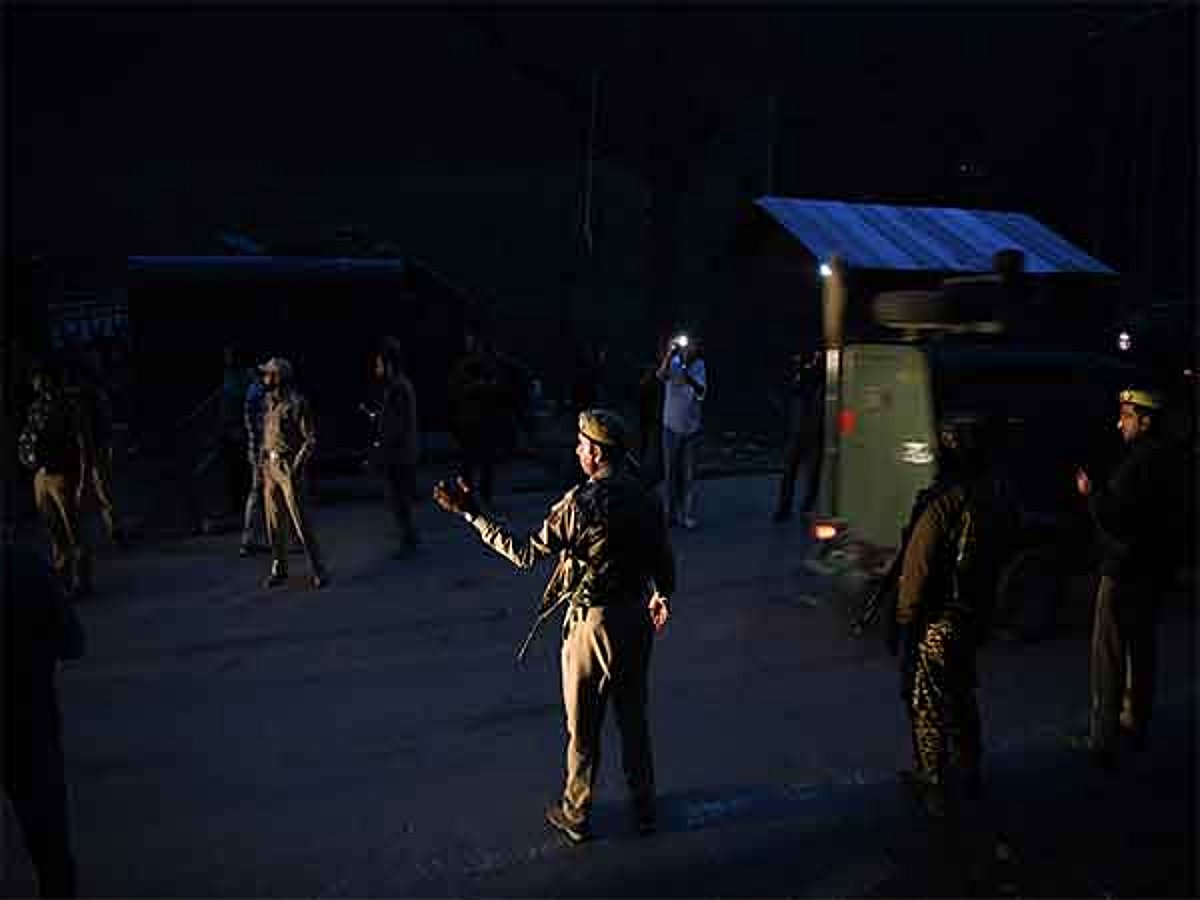
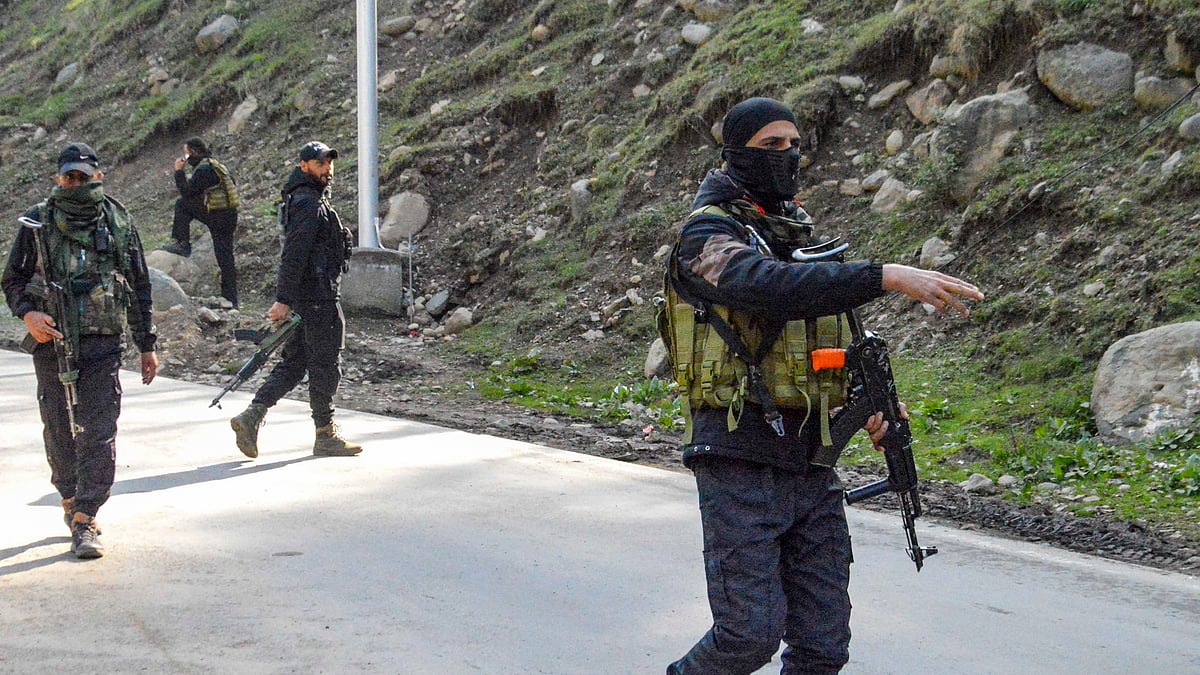
    Furthermore, India’s security forces launched a massive manhunt for the assailants, deploying specialized units, including the elite National Security Guard (NSG) and Central Reserve Police Force (CRPF), in an effort to apprehend the perpetrators. In addition to the manhunt, India has imposed a temporary lockdown on parts of Pahalgam to aid in the investigation and maintain order. Security personnel have also been deployed to secure popular tourist spots, particularly in anticipation of the upcoming Amarnath Yatra, which attracts millions of pilgrims each year. (New Indian Express)

    Global Condemnation

    The Pahalgam attack did not go unnoticed by the international community. Several world leaders, including U.S. President Joe Biden, U.K. Prime Minister Sir Keir Starmer, and German Chancellor Olaf Scholz, expressed their solidarity with India and condemned the violence. The United Nations also issued a statement urging all nations to cooperate in fighting terrorism and called for greater global efforts to address the root causes of radicalization.

    Bollywood celebrities, including actress Priyanka Chopra, took to social media to express their sorrow over the tragic event. Chopra described the attack as a “barbaric and senseless act of violence” and emphasized the need for unity and peace to overcome such extremism. (People)

    Impact on Kashmir’s Tourism and Local Sentiment


    Tourism is a critical industry in Jammu and Kashmir, providing livelihoods to thousands of locals. The Pahalgam attack, which targeted both tourists and residents, has had a chilling effect on the tourism sector. Many tourists have already begun canceling their bookings, fearing further violence, which could have devastating consequences for the region's economy. The attack has also fueled local anxieties, especially among business owners who depend on the influx of visitors during the summer months.


    The event has reignited tensions between India and Pakistan, with many experts fearing a renewed escalation in hostilities. Kashmir, long a flashpoint of conflict between the two nations, could become even more volatile as a result of this attack. (The Guardian)

    🕌 The Role of Muslims in India's Growth and Freedom

     🕌 The Role of Muslims in India's Growth and Freedom Introduction: India is a diverse nation, home to various religions, cultures, an...